
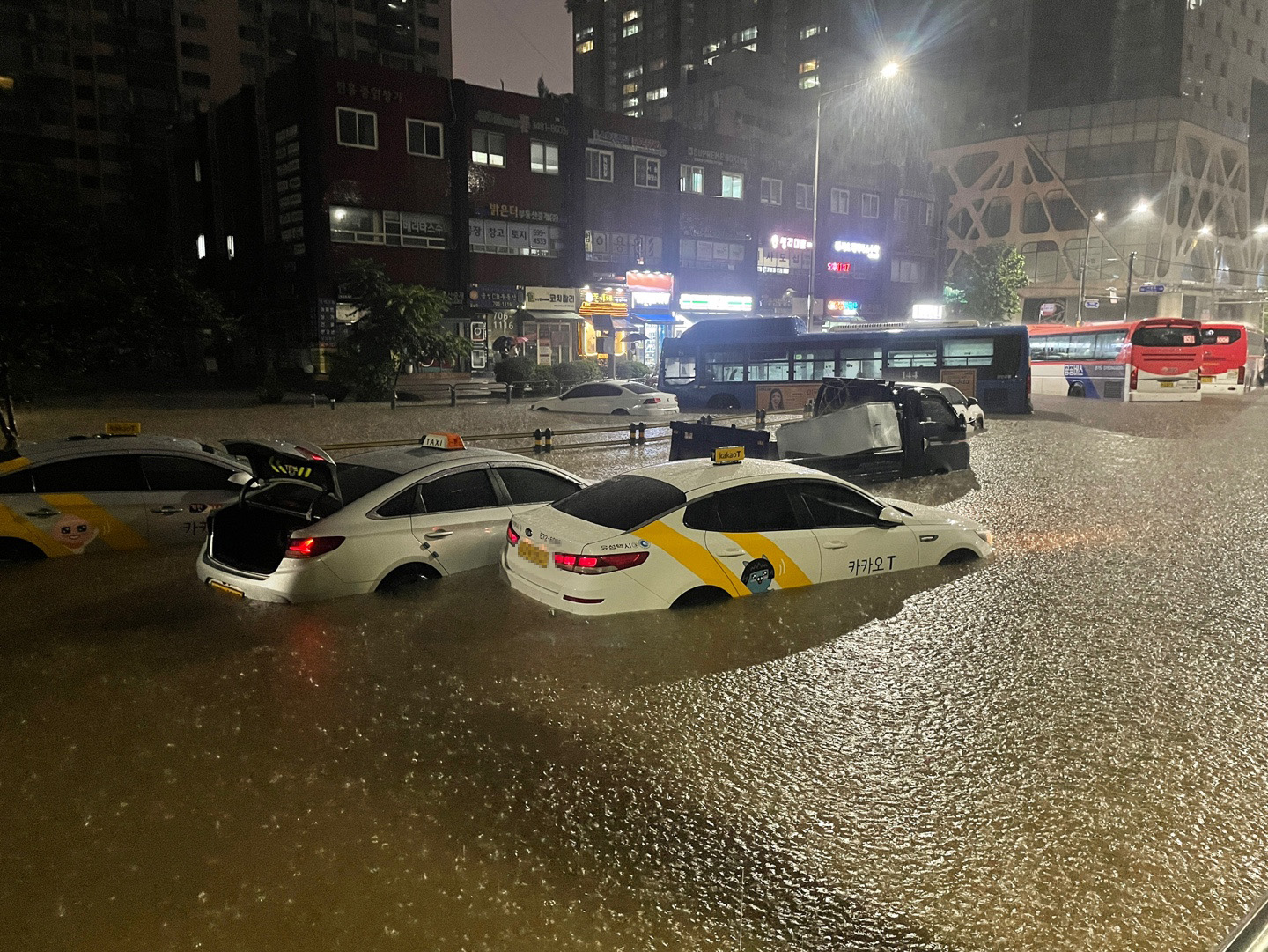
The rainy season has arrived in Korea, and with forecasts predicting heavier rainfall than last year, it's important to stay prepared. The seasonal rain front has already moved south of Jeju Island but is expected to return northward next week, bringing more downpours. Even after the rainy season officially ends, localized torrential rains can still occur—often striking without much warning. In recent years, severe flash floods have hit certain areas, including Seoul’s Gangnam district, when intense rain fell in a short period of time.
Here are six important tips to help you stay safe and minimize risks during periods of heavy rain in Korea.
1. Stay Updated on Weather Conditions
Staying informed is the first line of defense. Pay close attention to weather forecasts and advisories issued by the Korea Meteorological Administration (KMA). Many local news channels and government websites provide real-time updates. Mobile apps can also be invaluable for receiving immediate alerts about severe weather, including heavy rain, flash floods, and potential landslides. Understanding the forecast allows you to plan your activities accordingly and avoid unnecessary risks.
2. Protect Your Electronics
Heavy rain can lead to power outages and surges, which can damage your electronic devices. Before a storm hits, consider unplugging sensitive equipment like computers, televisions, and gaming consoles. If you are in an area prone to flooding, move electronics to higher floors or secure them in waterproof containers. Ensure your mobile phone is fully charged, as it will be your primary communication tool if landlines or internet services are disrupted.
3. Maintain Drains and Gutters
Clogged drains and gutters are a common cause of localized flooding around homes and buildings. Regularly check and clear any debris, such as leaves and trash, from your home's gutters and downspouts. Ensure that nearby storm drains are also clear. This simple maintenance can significantly improve water drainage and prevent water from backing up into your property or creating hazardous puddles on walkways and roads.
4. Avoid Flooded Roads
Never attempt to drive or walk through flooded areas. What may appear to be shallow water can be much deeper and faster-flowing than anticipated. Floodwaters can hide dangerous debris, open manholes, or damaged road surfaces, posing a serious risk to vehicles and pedestrians. Even a small amount of moving water can sweep a car away. If a road is flooded, find an alternative route or wait for the water to recede.
5. Be Extra Careful Near Rivers and Valleys
Rivers, streams, and valleys can quickly become dangerous during heavy rainfall due to flash floods. Always maintain a safe distance from riverbanks and water bodies, especially in mountainous or hilly areas. Avoid hiking or camping in valleys or near rivers during periods of heavy rain. Be aware of any warning signs or evacuation orders related to river levels and water flow.
6. Avoid Direct Contact with Floodwater
Floodwater can be heavily contaminated with sewage, chemicals, and other hazardous materials, posing significant health risks. Avoid direct contact with floodwater whenever possible. If you must enter a flooded area, wear protective clothing, such as waterproof boots and gloves. After any contact, wash your hands and any exposed skin thoroughly with soap and clean water. Be cautious of potential electrical hazards in and around flooded areas.
Stay alert, stay safe, and let’s all get through the rainy season together—so we can enjoy Korea’s sunny days when they return.