
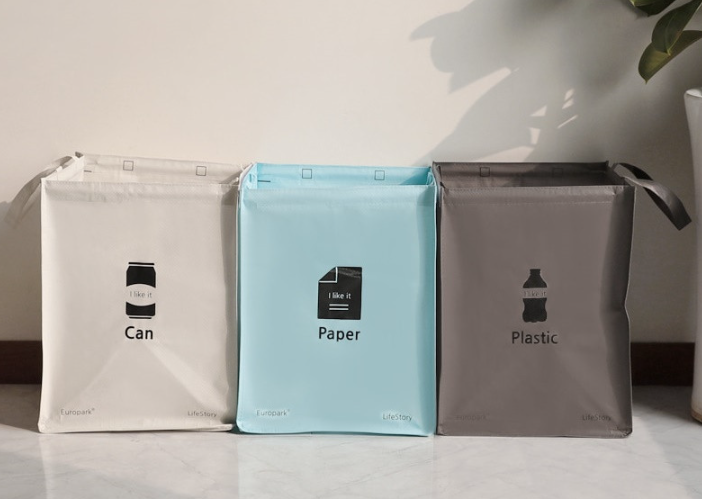
Efficient waste separation is an essential part of daily life in Korea, designed to reduce landfill waste, promote recycling, and maintain a cleaner environment. As a resident, you are expected to separate food waste, general waste, and recyclable materials according to local regulations.
Standard Garbage Bags
In most municipalities, general waste and food waste must be disposed of in designated, officially approved garbage bags. These bags can be purchased at local supermarkets, convenience stores, and sometimes at administrative offices. The cost of these bags includes a fee that contributes to waste management and recycling programs. Using unofficial bags may result in fines.
Disposal Locations & Schedule
General waste and recyclables are typically collected on specific days of the week, often in the evenings or early mornings. The collection schedule can vary significantly by district (gu) and even by neighborhood (dong). Food waste disposal methods differ more widely. Some areas have designated food waste bins or collection trucks, while others require food waste to be bagged separately and placed in specific collection points. Large waste items (e.g., furniture, appliances) usually require a separate pickup arrangement, often involving a permit or sticker purchased from the local government office.
It is vital to check the specific rules and schedules for your residential area. Information is usually available on your local government's website, community center bulletin boards, or through building management.
Understanding Waste Categories
General Waste
This category includes non-recyclable, non-food waste. Common examples include used tissues, diapers, cosmetic swabs, pet waste, broken ceramics, and other household items that do not fit into other categories. Always use the official designated bags for general waste.
Large Waste Items
Items such as furniture, large appliances, mattresses, and electronics are considered large waste. These cannot be placed in regular garbage bags. Residents typically need to contact their local district office or designated waste management center to schedule a pickup. A fee is usually associated with disposing of these items, and specific guidelines regarding size and type of item must be followed.
Food Waste
Food waste (also known as 'saengryeum wanjeom' or 'foodie') must be separated from general waste. This includes all food scraps, such as vegetable peels, leftover food, bones, and eggshells. However, items like plastic wrappers with food residue, disposable chopsticks, or paper cups with food contamination are generally considered general waste. The method of disposal varies: some areas use special food waste bins that require an identification card or tag, while others collect it in designated bags. Check your local regulations for the correct procedure and for any specific items that are excluded from food waste.
Recyclables
Korea has a robust recycling system. Common recyclables include:
- Paper: Newspapers, cardboard boxes (flattened), magazines, paper packaging.
- Plastic: PET bottles (rinsed and labels removed), plastic containers (rinsed), plastic bags (clean).
- Glass: Glass bottles (rinsed, caps removed).
- Cans: Aluminum and steel cans (rinsed).
- Metals: Other metal items.
- Styrofoam: Clean styrofoam packaging.
All recyclable items should be rinsed clean of food residue and contaminants. Remove labels from bottles and containers where possible. Cardboard boxes should be flattened. Specific instructions may apply for different types of plastics or packaging materials, so always refer to local guidelines.